
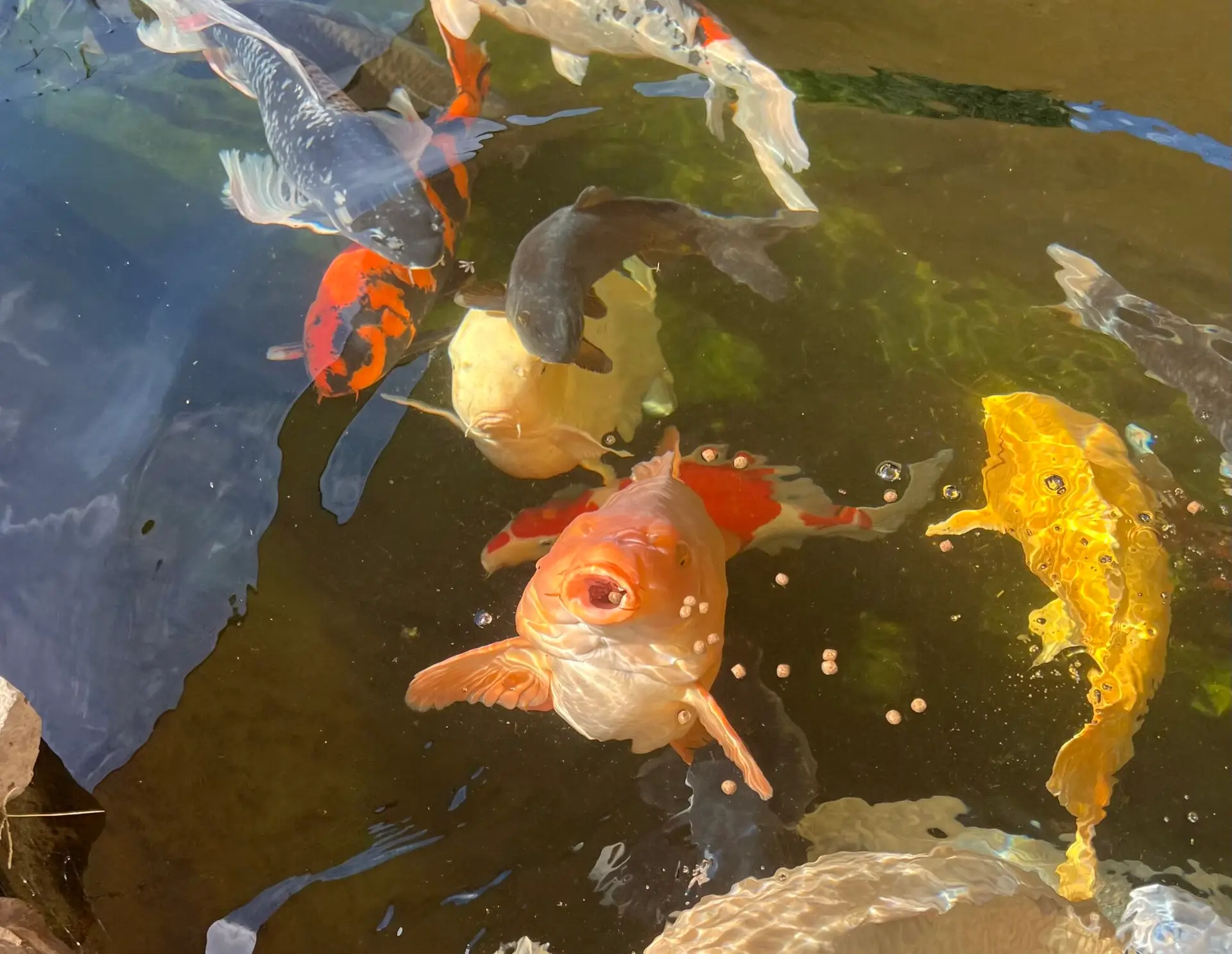
Recognizing and Understanding Koi Sores
With the arrival of spring and as koi emerge from their winter dormancy, it is crucial for koi hobbyists to remain vigilant and watch for any early signs of redness or sores developing on their koi fish. Identifying and treating a sore in its initial stages is much easier and less stressful for both the fish and the hobbyist than addressing a more advanced condition.
Causes of Sores in Koi Fish
There are several factors that can contribute to the development of sores in koi:
- Poor water quality: Keeping Pond water in optimal condition requires frequent water changes and regular testing of parameters such as ammonia, pH, and nitrites. If any of these levels rise above their recommended limits, water quality can deteriorate rapidly. This weakens the koi’s immune system, making them more susceptible to infections.
- Parasitic infestations: Parasites such as anchor worms, flukes, and Costia can attach to the koi’s skin. When the skin is broken, infection can enter the exposed area. Early signs may appear as a pinkish patch, and affected fish may rub against pond walls, which can worsen the sore.
- Physical injury: Koi can injure themselves in the pond during spawning or by rubbing against rocks and debris. Such injuries can break the skin and provide an entry point for infection.
Poor Water Quality as a Cause of Koi Sores
Maintaining good water quality in your pond is essential for the health of your koi. It is important to consistently perform frequent water changes and regularly test water parameters, including ammonia, pH, and nitrites. If any of these three levels exceed their recommended limits, the water quality can quickly deteriorate. This decline in water quality weakens the koi’s immune system, making them more vulnerable to infections and increasing the likelihood of sores developing.
Monitoring and Preventing Koi Sores
Daily Observation for Signs of Infection
One of the most effective ways to detect early signs of infection in koi is to observe your fish during pondside feeding. Pay close attention to the behavior and appearance of your koi herd. Watch to see if all the koi are eating as usual, and look for any missing scales or unusual actions, such as “flashing,” where fish rub against the pond bottom or walls. These daily observations are crucial; by noting any koi that exhibit these symptoms, you can initiate treatment quickly and prevent sores from worsening.
Understanding Aeromonas and Pseudomonas Sores
Sores on koi are often referred to as “Aeromonas” or “Pseudomonas.” These bacteria are present in every koi pond, coexisting with the fish under normal conditions without causing issues. To keep your koi healthy, it is essential to perform frequent water changes, avoid overfeeding, and prevent overcrowding in the pond. However, when koi are stressed or water quality declines—especially during the winter months when their immune systems are weakened—sores may develop.
“Koi ulcers and body sores can appear on your koi fish anytime during the year. But they are often discovered in the spring, when parasites have been taking advantage of your fish’s weakened immune system throughout the winter months. The fish’s immune system starts to diminish in cool water temperatures, but the Aeromonas and Pseudomonas bacteria are still growing rapidly between 42° F and 62° F. The cold temperatures of winter and the fluctuating temperatures in the spring have a significant effect on the koi’s immune system and its ability to naturally fight off the offending bacteria. In water temperature of 60° F your fish’s immune system is operating at around half of its normal capacity. Unfortunately, pathogenic bacteria are not as affected by swings in temperature and will continue their assault on your koi during this time. “ – https://www.koihealth.info/aeromonas.html
Isolating Koi and Topical Medications for Sore Treatment
When treating sores on koi, it is most effective to first isolate the affected fish in a separate tank. This approach minimizes stress, as it avoids having to catch the koi repeatedly from a large pond environment. Using a smaller tank also makes it easier to carefully monitor the health and recovery of the koi during treatment. To help reduce loneliness and further stress, it is beneficial to add a companion koi to the isolation tank.
There are several topical products available for treating koi sores. One preferred method is to use a 10% Povidone-Iodine ointment, as its thicker consistency helps it adhere to the koi’s skin and remain in place longer than liquid iodine solutions. The ointment should be applied to the affected area at least three times a week, though the exact frequency may vary depending on the severity of the sore. The ointment can be purchased online. Alternatively, some success has been achieved by first applying liquid iodine to the sore, then dabbing Neosporin over it to help keep the medication on the koi’s skin.
Isolating and Treating Koi Sores
To effectively treat sores on koi, it is best to isolate the affected fish in a separate tank. By moving the koi to a smaller, controlled environment, you reduce the stress that comes from repeatedly catching the fish in a larger pond. This approach also allows for easier monitoring of the koi’s health. To help prevent the koi from feeling lonely during the treatment process, it is advisable to add a companion fish to the isolation tank.
Another type of treatment is Tricide-Neo, which is not applied to the koi but instead is used as a dip.
Tricide-Neo Antibiotics is a patented dip to aid in the treatment of topical bacterial infections such as ulcer disease, fin rot, tail rot, and mouth rot.
Tricide-Neo breaks the bacteria’s resistant outer layer to allow the antibiotic to stop the bacteria. Fish can be dipped every other day for one week. The fish are dipped into the bath for 3 to 7 minutes – that’s fast!!
Tricide-Neo is available in a 1-gallon packet (22 grams) and a 5-gallon packet (110 grams) from most online koi stores.
Proper Application of Koi Sore Treatments
To minimize stress and prevent accidental injury when treating koi sores, sedation of the fish is highly recommended. Begin by purchasing a koi sedative from a reputable online koi store. Prepare the sedative solution according to the product instructions, mixing it with pond water in a separate tub. Be sure to introduce an air stone to maintain oxygen levels during the process.
Gently place the koi into the sedative bath. Observe the fish closely; once it begins to roll over, promptly remove it from the solution. Transfer the sedated koi to an empty tub lined with a towel. Carefully dry the area to be treated using paper towels. Using Q-Tip’s, apply the chosen medication directly to the affected area, and allow it to remain for a few seconds to ensure proper absorption.
After treatment, move the koi to another tub containing fresh pond water and an air stone to help it recover from sedation. Once the koi shows signs of normal swimming behavior, return it to the quarantine tank where it was initially housed. Continue to monitor the fish’s condition and reapply the treatment as needed, typically every few days. Noticeable improvement is often seen by the second application. This method is also effective for treating red or sore areas on fins or any other part of the koi’s body.